For years, trauma-competent care training in Haiti depended on trainers traveling from outside the country to equip local caregivers and professionals. The knowledge they shared was valuable, but the opportunities to receive it were limited by the availability of outside trainers and the challenges of communicating across languages.
Today, something significant is changing. Haitian professionals are being equipped to train others in their own language, within their own communities, and the possibilities for reaching more vulnerable children are growing.
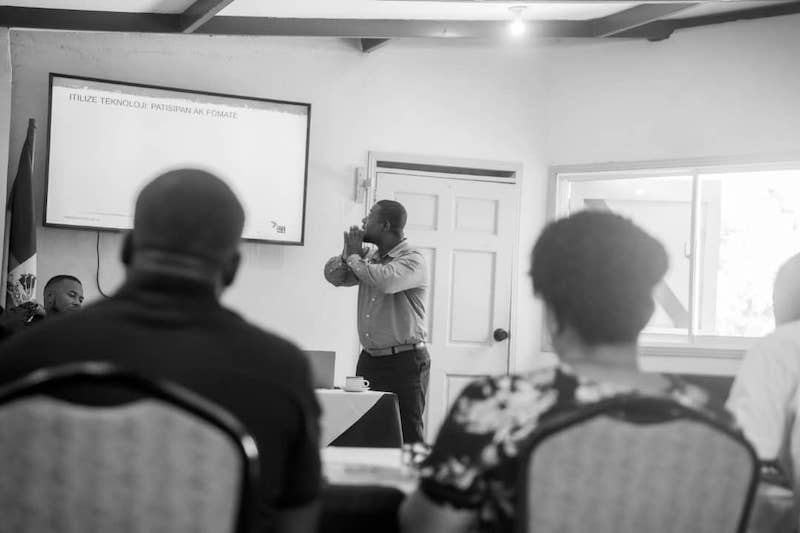
Two Haitian nationals and Back2Back staff members, Jimmy and Jeannot, became affiliate trainers in Trauma Competent Care (TCC), and in March 2026, they led an online training conducted entirely in Haitian Creole, equipping fellow Haitians with a deeper understanding of how trauma affects children and how caregivers can respond with greater compassion and intentionality. For the first time, Haitian nationals were leading this training for other Haitian nationals in their first language.
The significance of that shift extends far beyond translation. Language carries meaning shaped by culture, experience, and shared understanding. When professionals learn in the language they use every day, they have greater opportunities to engage with complex concepts and ask meaningful questions, considering how to apply what they are learning within the communities they already know.
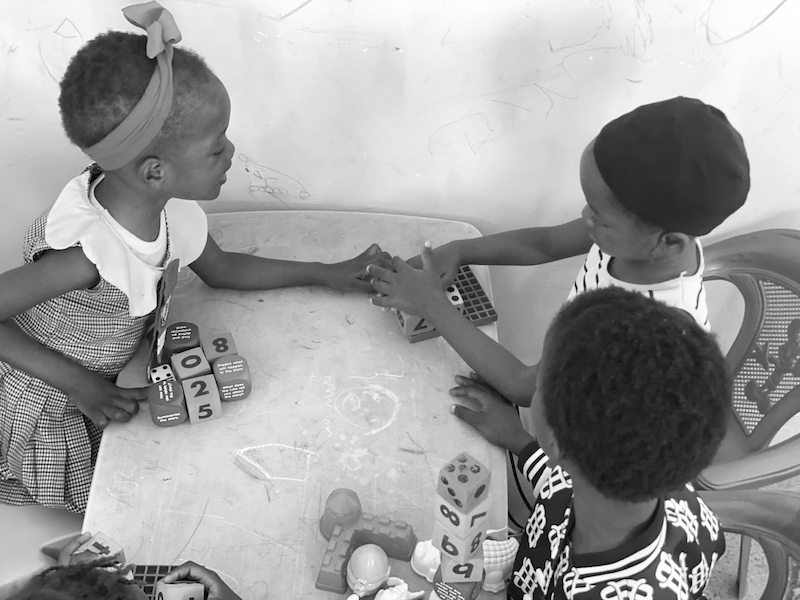
Trauma-competent care asks adults to look beyond a child’s behavior and consider the experiences that may be shaping it. A child struggling to concentrate in school may be carrying fear that makes learning difficult; another who withdraws from relationships may have learned that trusting others comes with risk. Understanding these connections can change the way an educator or caregiver responds, creating opportunities for children to experience the safety and support they need to grow. The more accessible this knowledge becomes, the more opportunities there are for children to encounter adults who understand what they need.
That growing accessibility is already creating opportunities to expand the reach of trauma-competent care throughout Haiti.
Recently, nine additional affiliate trainers were trained on-site in Haiti, further strengthening the country’s capacity to equip its own caregivers and professionals. Training has also reached partnering organizations working with schools in Cap-Haïten, including 70 educators who now have opportunities to apply trauma-competent principles in their work with children.
Each newly equipped trainer represents the potential to reach more adults, and each adult who grows in their understanding of trauma has an opportunity to change the experience of a child in their care. For Back2Back, this represents an important step toward sustainability. Rather than relying exclusively on outside trainers, a growing network of Haitian professionals can now share this knowledge within their own cultural context. The work is becoming more locally led, with opportunities to reach communities that may previously have had limited access to this kind of training.
There is still much work to be done, and equipping adults is only one part of creating environments where vulnerable children can heal. Yet the significance of what is happening in Haiti should not be overlooked. The greatest measure of this progress will not simply be how many people receive training, but how many children experience care that reflects what those adults have learned.
When knowledge takes root in a community, its impact no longer depends entirely on who can travel there to share it. It can be carried forward by the people who already belong, who understand the challenges their communities face, and who are committed to helping the next generation experience something different.
In Haiti, that possibility is becoming a reality, one equipped caregiver at a time.