

The scars on his face and body were visible before anyone knew the rest of his story. He was one among eight children who arrived at the community center, and each one carried the weight of abuse. For him, it was clearly written on his skin and in the way he limped instead of walked. For another, there were whispered accusations of witchcraft that lingered in rooms after she walked out, risking rejection and further harm. Still another child was removed from his mother, whose mental health challenges prevented her from providing the care he needed.
They are different children, with varying stories of hurt, but the response to their need is unwavering: we will not leave any child in distress.
Internationally, traditional responses to such intense trauma often move a child from an unsafe environment into a regulated, holistic one, often within a children’s home. As Back2Back continues learning from best practices and remaining open to shifts in care, a partnering children’s home in Nigeria has become a place of respite for children while more permanent solutions are sought on their behalf.
This shift changes what now happens after a child arrives. Staff are learning to ask a different question: What will it take for this child to return to a family safely?
The children’s home, then, becomes a bridge rather than a destination. Here, immediate needs are met and safety restored while coming to understand each child’s circumstances. This approach became more formal when a Back2Back-partnering children’s home became a community center with a growing emphasis on family-based care and community intervention. The home continues to meet the child’s needs, but its purpose is more defined: to be a safe place in the middle of crisis, not the final place a child remains. Temporary, however, does not mean insignificant.
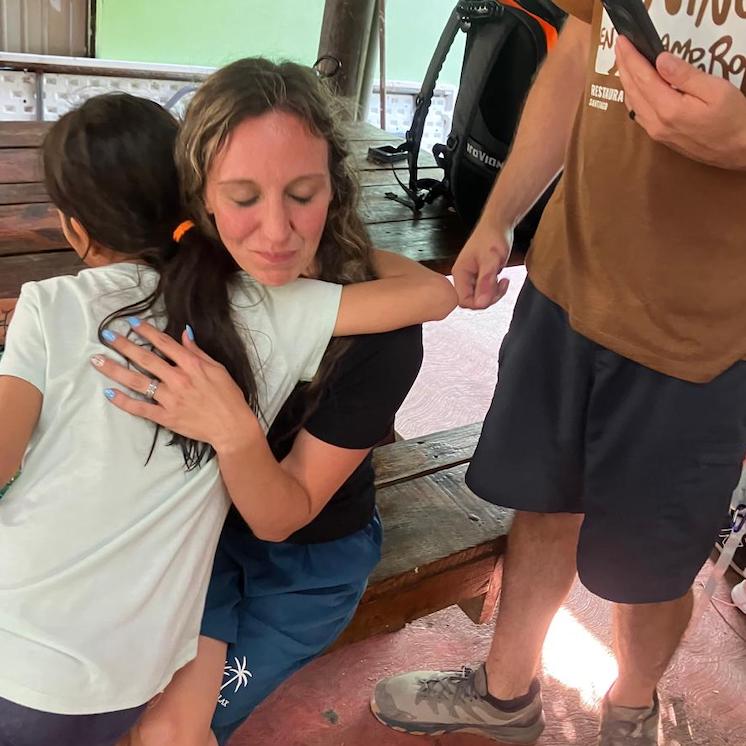
Trust doesn’t always come quickly for a child. Children who have experienced abuse or instability need time before a new environment feels safe. Relationships are slow-building; adults introduce themselves and focus on learning the child: their name, what brings them joy, how they play and learn best. Each child moves at their own pace, and everyone pays attention.
Something changes slowly. A withdrawn child begins to explore, as play becomes more natural and laughter returns. Relationships with peers form within an environment designed to protect them. The home is safe while work is happening to ensure childhood can be experienced outside the walls.
Seven of the eight children who first arrived during this shift have returned to a family. The eighth remains in temporary care while reunification is still at work. There is no single pathway toward this. One option may be the biological family again, or it may be foster care, adoption, or another family-based solution. What is possible for one child may not be for another, but the restoration is never rushed.
The goal is working toward something long-lasting: a child at home. Once children are reintegrated within a family, those families are supported. For the children who remain within the community center, the work continues. Hope stays until they find a place permanently where they belong.