
For many families, occupational therapy is something they’ve heard of, but never personally needed. It quietly exists in the background of everyday life, helping children learn to regulate emotions, focus in class, follow routines, communicate their needs, and navigate the world around them.
But for many vulnerable children and families, that kind of support is entirely out of reach.
When children don’t receive developmental support early enough, the effects follow them everywhere: into classrooms, relationships, routines, and the ways adults perceive them.
This is one reason why Back2Back Cincinnati recently hired DeeDee Orellana as its on-site occupational therapy practitioner. Her work focuses on school readiness and child development, but her role is about far more than helping children learn new skills; it is about guiding adults toward a better understanding of what children are communicating beneath the surface.
“Occupational therapy is often misunderstood,” DeeDee explained. “Many people assume it’s only connected to learning disabilities or behavioral issues.”
But DeeDee sees something much different.
“Occupational therapy is helping someone return to purposeful movement in their life,” she shared. “Helping them become more functional in the occupations that matter to them.”
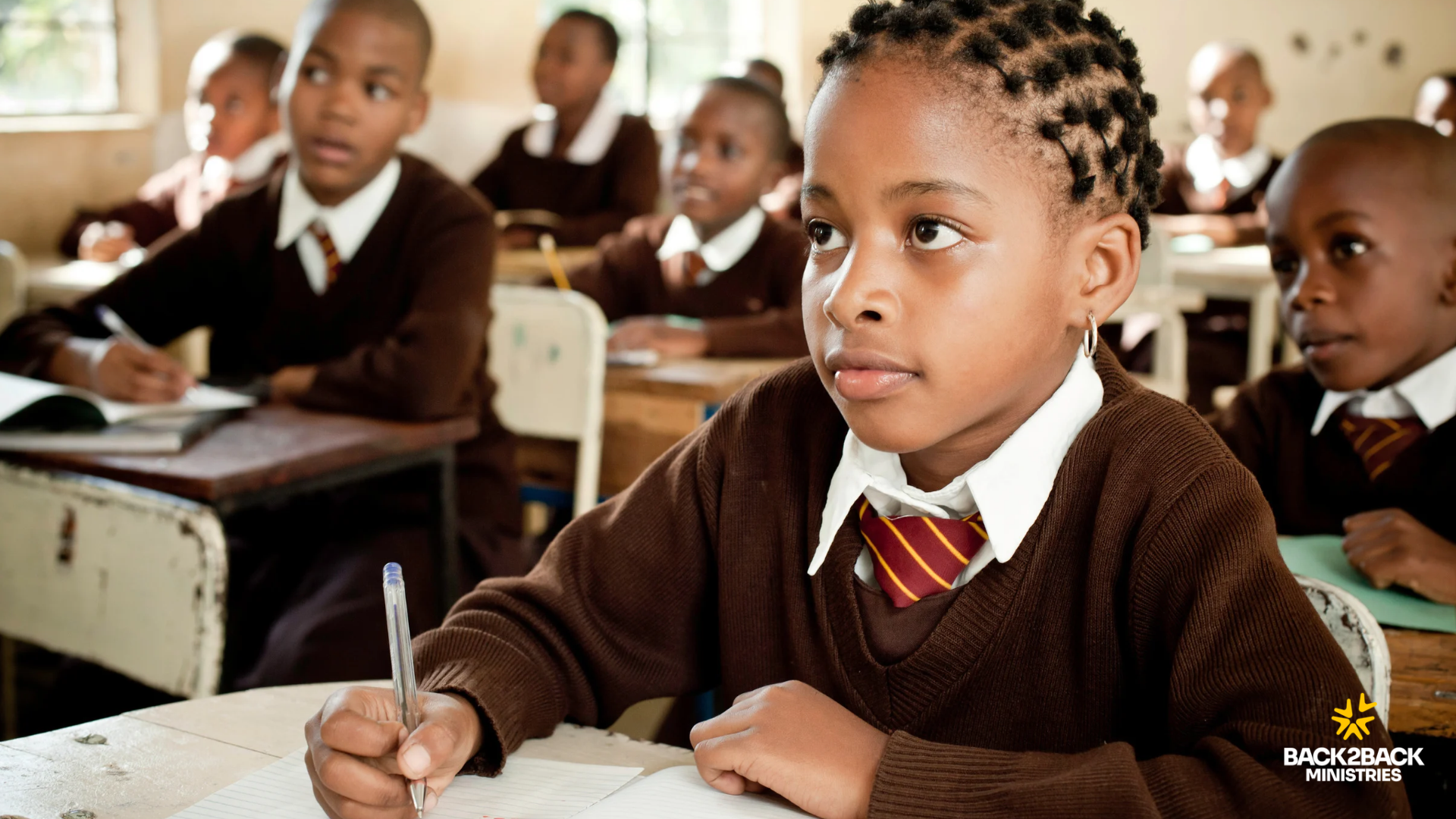
For children, those “occupations” are often the everyday tasks many people rarely consider:
- sitting in a classroom
- regulating emotions
- transitioning between activities
- following routines
- holding conversations with peers
- feeling safe enough to learn
When children struggle with those things, the assumption is that there are behavioral issues, a learning delay, or a lack of discipline. However, many of the children DeeDee works with have spent significant portions of their lives in survival mode.
And survival mode changes how a child learns and develops.
When children are focused on surviving, they are often unable to build foundational skills in the same ways as their peers, not because growth is impossible, but because no one has helped build those skills yet. Many parents are operating from survival mode as well, navigating instability, stress, and systems that can feel overwhelming to access or understand.
One of the most powerful aspects of DeeDee’s work is helping adults reframe what they believe about struggling children. Many children referred for occupational therapy are not incapable. They have simply never had consistent support, felt safety, or access to developmental resources.
Trauma impacts concentration, emotional regulation, motor skills, memory, and a child’s ability to navigate everyday environments. Yet many schools still primarily associate occupational therapy with disability services rather than recognizing how trauma and chronic stress can interrupt development.
“A lot of what I do is helping schools and caregivers recognize what to look for,” DeeDee said.
In many ways, half of her work is not therapy sessions at all.
It is education.
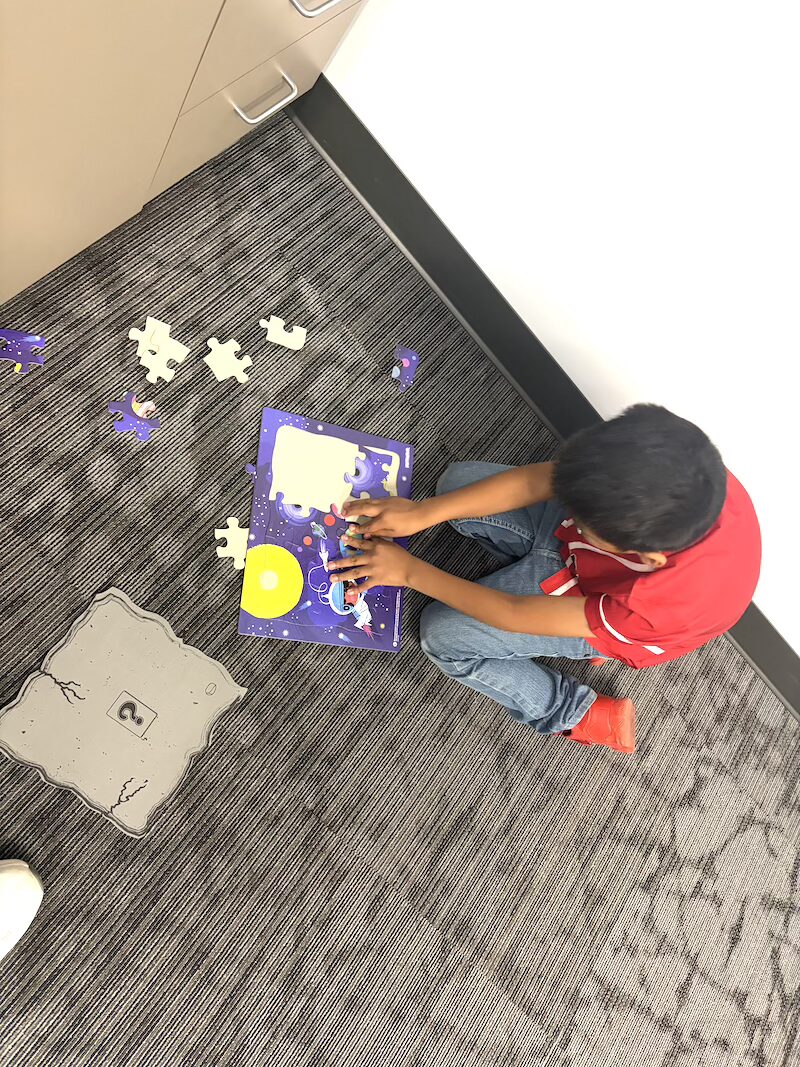
DeeDee works both in schools and through office visits, often receiving referrals from educators who recognize a child needs additional support, even if they‘re unsure exactly what kind. Sometimes what looks like defiance is actually dysregulation, and what appears to be inattentiveness may actually be anxiety. What seems like a delay may simply be a child who has never had the opportunity to consistently practice foundational skills.
For families navigating evaluations, school systems, and individualized education plans (IEPs), the process can feel isolating and intimidating. DeeDee regularly participates in those meetings, helping bridge communication between schools and families while advocating for what the child truly needs.
For many parents, one of the greatest gifts is simply being understood. They are met with patience and attentiveness. They’re given a sense of felt safety.
Families who are accustomed to only hearing what their child is doing wrong find great healing in the moments when someone advocates for their child’s potential. There is relief in being understood and supported instead of judged.
At Back2Back, holistic care means recognizing that children’s needs are interconnected. Educational struggles cannot always be separated from emotional trauma; behavioral challenges are often connected to instability, fear, or unmet developmental needs.
That is why services like occupational therapy matter so deeply.
Sometimes transformation begins with helping a child feel safe enough to learn, participate, regulate, and believe they are capable in the first place.
Many families never realize how much support is available because they have never had access to it before. And many children carry labels for years when what they truly need is someone trained to look deeper.
DeeDee’s work is helping create that shift, not only for children, but for the adults learning how to support them as well.
Because every child deserves more than survival.
They deserve the opportunity to grow into all they were created to be.