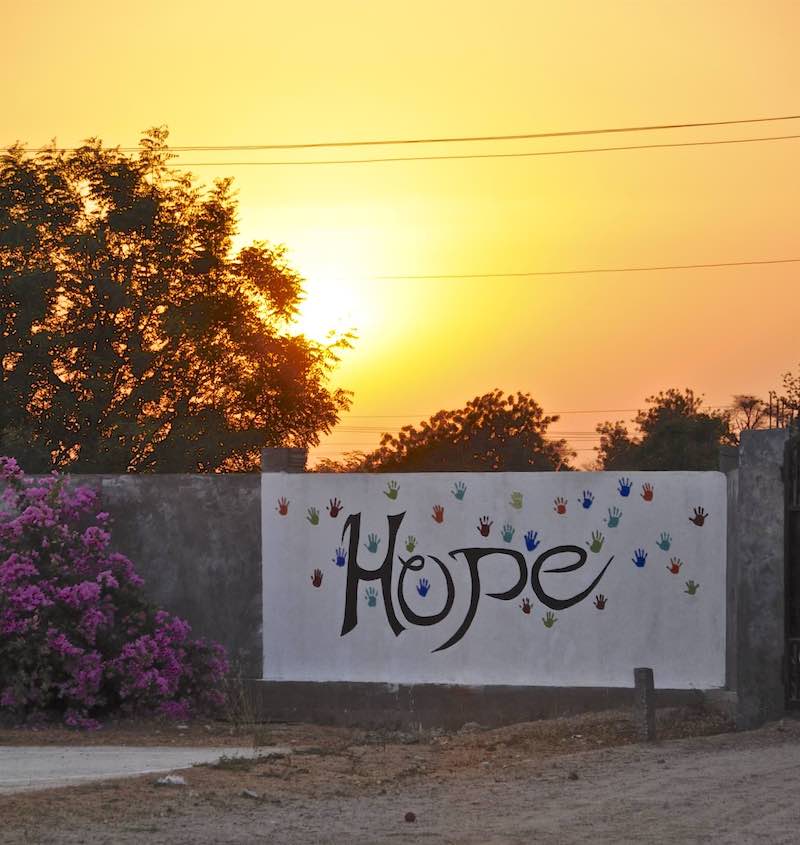


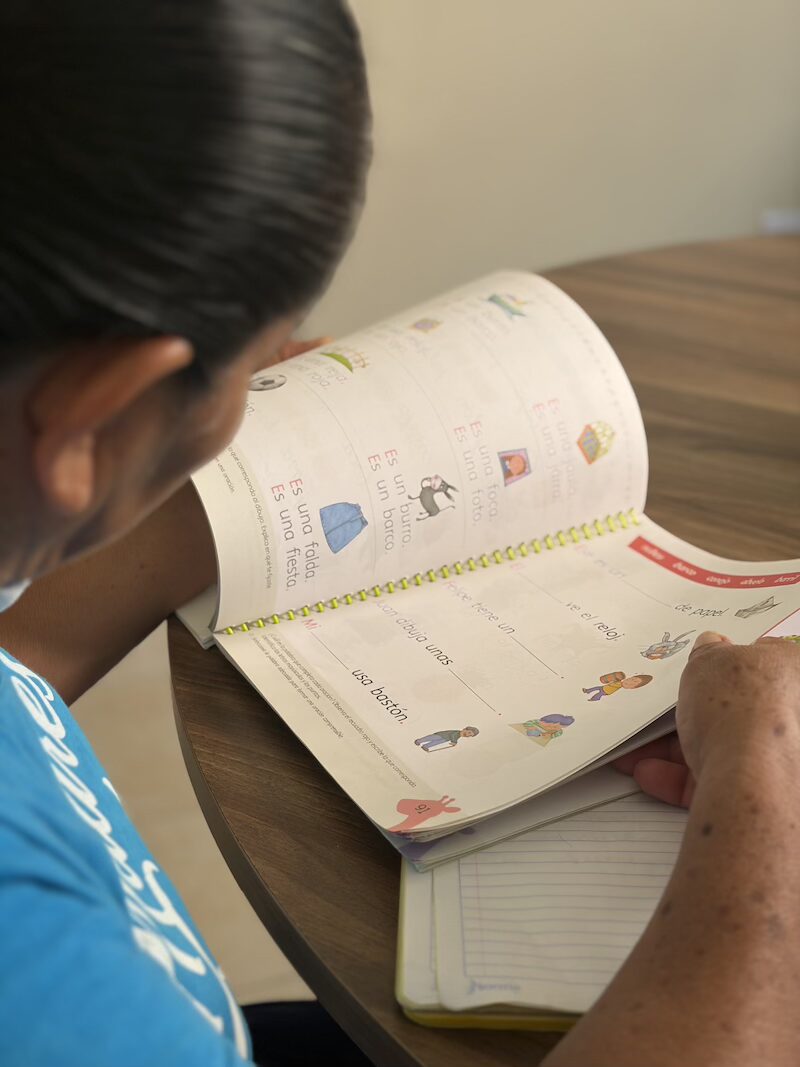
Across the world, scenes like this unfold as the sun sets: dinner is finished, dishes are washed, and a child sits at the kitchen table with his head in his hands. Frustration hangs in the air until his mom pulls up a chair beside him.
Together, they figure it out.
In Cancún, Mexico, similar moments unfold each evening, but one heartbreaking difference changes everything.
A child’s mother doesn’t pull up a chair to help solve a homework problem. She remains at a distance, instead wringing her hands as lies about her worth drown out every other thought.
“I just want to help my children with their homework,” she repeats to herself as she stands still.
—
During a recent Strong Families class, staff invited the mothers to explore their identities. Each woman was asked to create a doll representing her childhood and write a few words describing that season of her life.
One woman, Mona*, and her family have been part of Back2Back Strong Families for a while now. Strong Families exists to ensure that, when possible and in the best interests of everyone, children remain with their families as a unit. Through classes, tutoring, job training skills, and entrepreneurial pursuits, children and their parents are invested in and encouraged toward sustainable living.
Many mothers there immediately got to work on their dolls, but Mona sat quietly, withdrawn. Staff noticed a tear roll down her cheek and sat beside her, listening to understand.
Tears continued to fall as she softly admitted, “I am frustrated. I do not know how to read the instructions or write my own reflections. I’ve never learned to read or write.” Her brown eyes filled with tears again, and the staff member smiled warmly.
“One of my greatest dreams is to help my children with their homework someday,” she shared, hope hanging on her words.
When the class ended, staff gathered for their debrief. They realized, as they talked, that Mona’s story wasn’t unique. They identified several other mothers who, like Mona, had reached adulthood without learning to read or write.
Holistic care requires more than recognizing the need. It means removing the barriers standing between vulnerable parents and the lives they long to build with their children.
As staff discussed possible ways to respond, one of the social workers remembered a conversation she had previously with one of the fathers in the program. He was a teacher, and after many years in the field, he shared that he’d love to volunteer by teaching classes at the community center. At the time, there hadn’t been a need for his gifting.
As the conversation continued, they realized his willingness to serve could become part of the solution. They invited him to lead literacy classes for the parents in the program; he gladly accepted.
Today, every week, mothers gather around tables practicing letters, sounding out words, and learning to read and write. Some are in their thirties; others are grandparents in their sixties, still raising their grandchildren and committed to learning new skills.
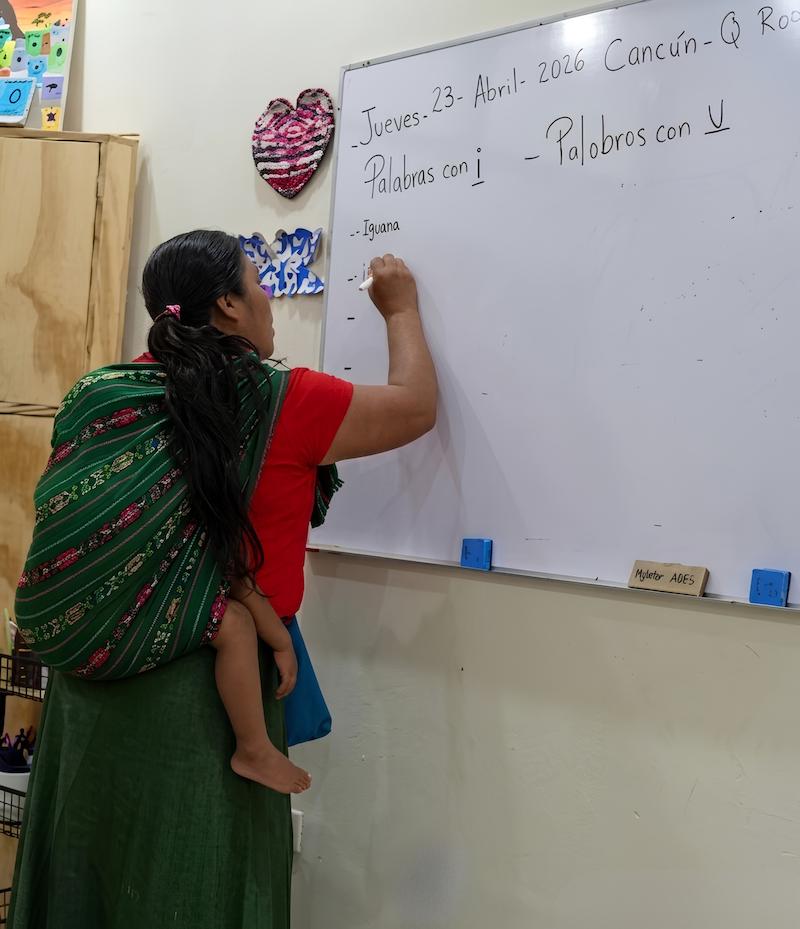
What began with one mother’s quiet confession has become something much bigger than literacy classes. It is an illustration of restoration.
A father is using his gifts to strengthen other families. Mothers are discovering confidence they never had the opportunity to build. Families no longer only receive support; they’re building support systems for one another.
And someday, as the sun sets and homework is spread across the kitchen table, Mona won’t have to watch from across the room.
She’ll pull up a chair beside her child. And together, they’ll figure it out.